
 Download the App
Livestock Backloads: Make More of the Return Trip
By StockShift · 22 October 2026
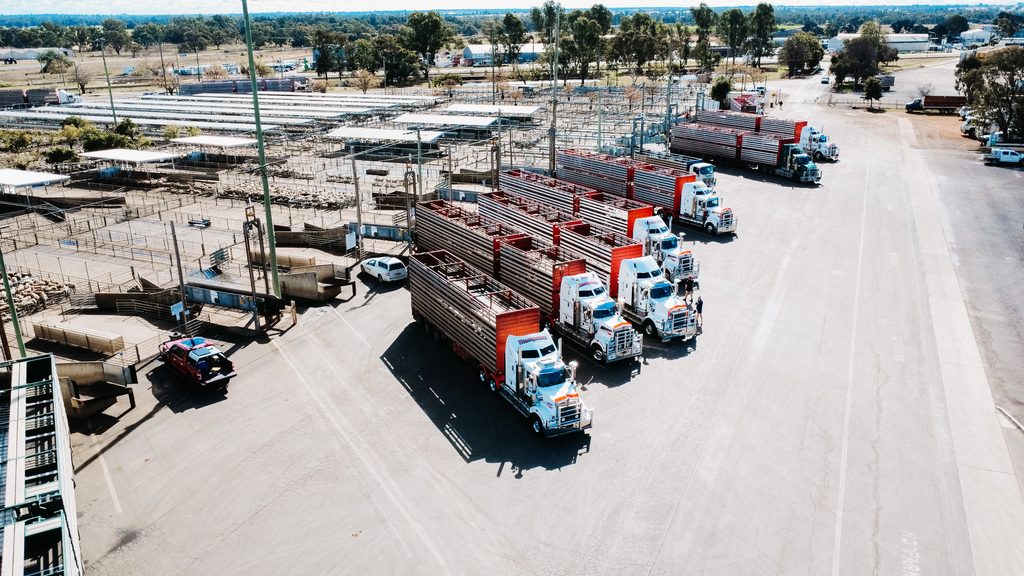
When a livestock truck completes a delivery, it still has to go somewhere next.
If it returns empty, the delivery may be finished, but the costs continue. Fuel, driver time, maintenance, tyres and other operating costs add up with every kilometre travelled.
Some empty running is unavoidable in livestock transport. Animal welfare, timing, truck suitability, cleaning requirements and the location of the next job all need to be considered. A return load must make sense for the trip.
What is a backload?
A backload is a load carried on a return journey or on a route where a truck would otherwise have unused capacity.
In livestock freight, this does not mean accepting any job simply to avoid running empty. The job still needs to suit the truck, route, timing, livestock and welfare requirements. A useful backload is one that fits the operation safely and practically.
Empty kilometres still cost money
An empty truck may not be earning freight income, but it continues to create operating costs. Those kilometres can affect:
- Fuel use
- Driver time
- Vehicle wear and maintenance
- Tyres
- Scheduling and truck utilisation
Reducing even some empty return journeys can help operators use their time, fuel and equipment more efficiently. Australian transport research identifies backloading as one way to reduce empty truck running.
Finding a backload starts with visibility
A suitable backload can only be considered if the operator knows the job exists.
Freight opportunities may be spread across phone calls, messages, regular clients, agents and local networks. An operator could have room on a nearby route while a producer is looking for transport, but neither side can see the opportunity.
Livestock transport is built on trusted relationships. The challenge is that no personal network can show every suitable job across every region at the right time. Better freight information gives operators another chance to identify work that may fit an existing journey.
How StockShift can help
StockShift gives operators another place to view jobs posted by producers. They can check the pickup area, destination and timing, decide whether the job may suit an existing route or return journey, and connect directly with the producer.
The operator remains in control of which opportunities to pursue. StockShift does not promise a backload for every return trip. It gives suitable jobs and available trucks a better chance of finding each other.
Three ways to improve backload opportunities
Plan the return early
Do not wait until unloading is complete to think about the next movement. Look at the likely return route and timing early, then consider where a suitable job could fit.
Make routes and capacity visible
Keep regular customers and contacts informed about upcoming routes and available capacity. Freight platforms can also make opportunities visible beyond the usual contact list.
Check that the complete job works
The pickup and destination are only part of the decision. Confirm the livestock, numbers, timing, loading facilities, access, truck configuration, compliance and welfare requirements directly with the producer before accepting the work.
A more efficient trip starts with better visibility
Reducing empty running is not about filling a truck at any cost. It is about finding suitable work, making informed decisions and using available capacity where it genuinely makes sense.
If you operate in livestock freight, sign up to StockShift and view jobs that may suit your next run. If you are a farmer with livestock to move, post the job. Your freight opportunity could become a truckie’s next backload.